














Over the last ten years (2016–2026), average industrial lease rates in the Greater Toronto Area (GTA) have surged by more than 130%, climbing from around $6–$7 per square foot (psf) net to a stabilized rate of roughly $16.36–$16.49 psf today.
While the market is currently experiencing a correction from its all-time highs, rates remain fundamentally elevated compared to a decade ago.
The 10-Year Trajectory
Key insight on total costs: The figures above are net rents. When budgeting for 2026, you must also factor in TMI (Taxes, Maintenance, and Insurance), which currently averages $3.50 to $6.50 psf depending on the municipality. This brings the true total occupancy cost of a GTA industrial lease to over $20.00 to $22.86 psftoday.

In Canada, a standard 600-square-foot industrial or commercial mezzanine typically costs between $30,000 and $60,000 CAD fully installed.
Because prices are calculated by the square foot—usually ranging from $50 to $100+ CAD per sq. ft. for standard builds—the final price tag hinges heavily on what you plan to put on top of it.
Here is how a 600 sq. ft. structure generally breaks down by use case:
Even if above costing pricing are estimated , it would not be far fetch to assume cost would be similar,
most metal fabricator is also capable of fabricating the metal build mezzanine is the shop in order to reduce the cost.
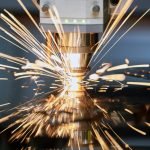
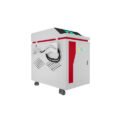
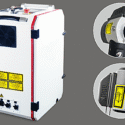
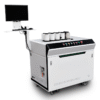
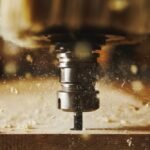
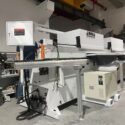
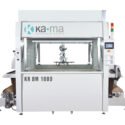
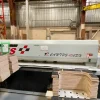
As will be seen on the below image metal laser cutting result with the fiber laser cutting machine is not only so precise it also allows to cut pieces that are pressed on the aluminum panel with painted surface.
Metal laser cutting laser while cutting the designated parts are not burning the painted surface.

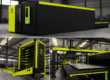
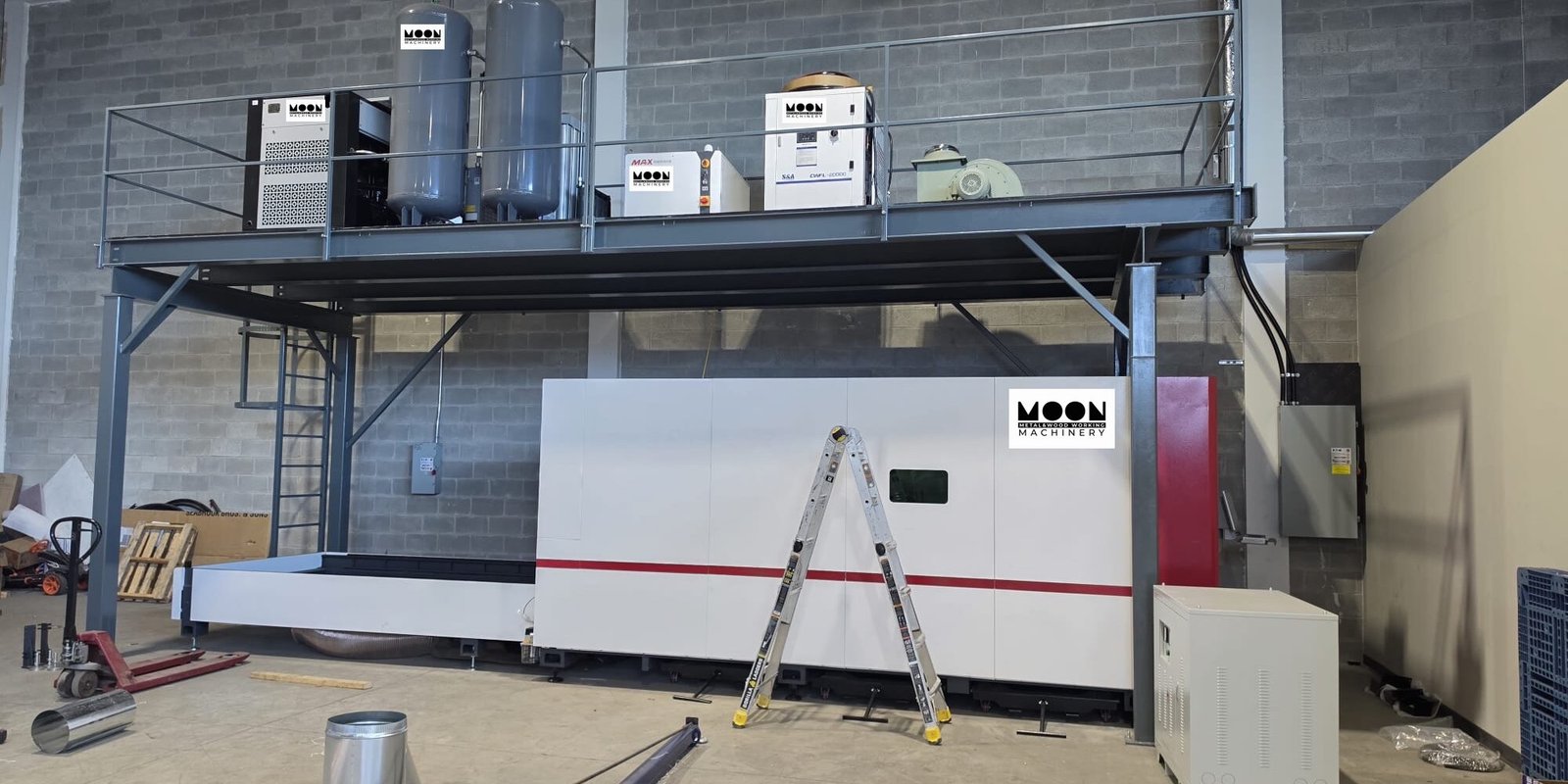
What can be placed on the laser mezzanine
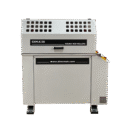
1.) Water Chiller
2.) Laser Source
3.)Compressor
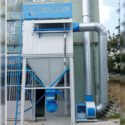
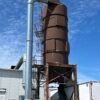
4.) Dust Collector
5.) Exhaust Fan
In total the weight total five item are around 1000kg in dry, when they are filled in water and oil.
What are the savings of a mezzanine in ten year for a laser cutting machine
uilding a 1,500-square-foot mezzanine will save you roughly $225,000 to $285,000 CAD over a 10-year period compared to leasing an equivalent amount of additional industrial space in the GTA.
The massive savings come from the fact that a mezzanine is a one-time capital expense. When you build “up” inside your existing facility, you do not pay base rent or TMI (Taxes, Maintenance, and Insurance) on that additional square footage.
Here is the 10-year financial breakdown comparing both scenarios:
The “Hidden” Factors to Consider
While the math heavily favors building a mezzanine, you must account for the operational realities before choosing to build:
-
Lease Term Alignment: You are investing capital into a landlord’s building. If you only have 3 years left on your lease with no renewal options, a mezzanine won’t pay for itself. You need a long-term lease (ideally 5 to 10 years remaining) to realize the $250k+ savings.
-
Restoration Clauses: Check your lease agreement. Many landlords will require you to dismantle and remove the mezzanine at the end of your term to return the warehouse to its original state. Dismantling and moving a mezzanine of this size can cost $10,000 to $20,000.
-
Asset Depreciation: Because a mezzanine is technically a free-standing piece of capital equipment (a “temporary” structure) rather than a permanent building modification, you can often depreciate the asset favorably on your taxes or unbolt it and take it with you if you move facilities.

If you are asking whether you should build a mezzanine in a metalworking facility to house a laser cutting machine, the answer requires splitting your operations in half: Do not put the laser cutter on the mezzanine, but absolutely build a mezzanine for your other operations to free up ground-floor space.
Here is why industrial laser cutters and mezzanines do not mix—and how to properly layout your shop instead.
Why Laser Cutters Must Stay on the Ground Floor
-
Vibration and Precision: Laser cutters require extreme stability and a perfectly level foundation. Even heavy-duty steel mezzanines have a natural “bounce” and sway. This micro-vibration will disrupt the laser’s gantry, leading to “chatter,” wobbly cuts, and constant optical misalignment.
-
Point Loads: A commercial fiber or CO2 CNC laser cutter, combined with its exhaust system, chiller, and heavy steel frame, generates massive point loads. Exceeding a mezzanine’s load limits to support this requires expensive structural steel reinforcements.
-
Material Handling: Metalworking requires moving heavy pallets of raw sheet metal and removing scrap. Hauling sheet metal up to a mezzanine using forklifts or a custom freight elevator is dangerous, slow, and negates any workflow efficiency you gained.
The Ideal Metalworking Layout
Building a mezzanine is still highly recommended to maximize your ROI in the expensive GTA market—you just have to use it for the right things.
-
The Ground Floor (Concrete Slab): Reserve this entirely for your heavy, high-vibration equipment. Keep your laser cutters, press brakes, CNC mills, and raw sheet metal racks on the solid concrete to ensure structural safety and machining precision.
-
The Mezzanine: Build a standard 125 lbs/sq. ft. mezzanine and move your lightweight, space-consuming operations up there. This is perfect for management offices, breakrooms, quality control (QC) inspection rooms, small-parts packaging, or storing lightweight tooling and finished goods.
By keeping the heavy machinery on the ground floor and pushing your office and lightweight storage up, you capture the financial savings of a mezzanine without ruining the precision of your laser cuts.
Installing steel for an industrial mezzanine This video demonstrates the structural steel framing involved in building an industrial shop mezzanine, illustrating why these structures are better suited for storage and offices rather than heavy, vibration-sensitive machinery.